From Sketch to Soil: Working as One
Today we dive into the collaborative design workflow between clients, artisans, and landscape architects, tracing how conversations become drawings, mockups, and living places. Expect practical rituals, candid stories, and adaptable tools you can borrow tomorrow. We’ll show how curiosity, clarity, and respect shorten timelines, raise craft quality, and protect ecological intent. Share your questions, subscribe for future deep dives, and help us collect better practices by commenting with your own wins and missteps.
Shared Vision Starts with Listening
Stakeholder Mapping with Purpose
We map who influences decisions, who uses the space, and who maintains it years later. Labeling advocates, skeptics, and silent experts early prevents late-stage surprises. A simple matrix with pain points and desired outcomes helps translate expectations into measurable criteria that drive scope, schedule, and material choices.
Values, Constraints, and Trade-offs
We surface budget ceilings, regulatory limits, and maintenance realities alongside hopes for beauty and delight. When conflicts appear, we define ranked trade-offs, such as durability over rarity, or shade over flowering spectacle. This shared negotiation script becomes a reference whenever scope creep or schedule pressure threatens clarity.
Storyboards and Precedents that Align
Instead of mood boards that drift, we build narrative storyboards showing sequences of arrival, pause, and play. Precedent images are annotated with what we admire and what we would change. This nuance helps artisans suggest techniques while letting landscape architects guard ecological function and long-term resilience.
Rhythms, Tools, and Transparent Communication
Momentum loves cadence: weekly design hours, biweekly site syncs, and decision windows that protect deep work. Shared boards capture sketches, comments, and files with version history. We practice visible agendas and time-boxed debates. This structure reduces rework, empowers artisans to plan shop time, and keeps clients confidently informed.

From Kickoff to Handover Timeline
A clear program sets milestones for discoveries, options, decisions, documentation, fabrication, installation, and aftercare. We leave breathing room between phases, acknowledging prototyping and permitting realities. Publishing the timeline early, with named decision-makers, prevents bottlenecks and ensures leadership shows up when choices genuinely matter, not after.
Asynchronous Feedback Done Right
Not every insight needs a meeting. We use annotated screenshots, short videos, and comment threads with clear labels like ask, idea, or decision. Contributors commit to response windows and summarize agreements. This etiquette respects shop schedules, international time zones, and family lives, while preserving a documented trail.
A Single Source of Truth
Everyone references a single living repository for drawings, models, schedules, specs, and site photos. Naming conventions and folder hygiene save hours. Version tags link to decisions and approvals. When something changes, alerts go to affected roles, avoiding the frustrating, costly churn that arrives from hidden files and email attachments.
Prototyping with Craft at the Center
Ideas meet reality in the hands of makers. We invite artisans early to test joints, finishes, and tolerances, translating drawings into touchable truths. Small bets expose big risks cheaply. Clients experience textures and ergonomics, while landscape architects confirm performance under sun, wind, water, and maintenance rhythms.

Soils, Water, and Roots
We dig test pits, run infiltration tests, and study root zones before dreaming too loudly. Hydrology diagrams show where water wants to travel; soils tell us what structures they welcome. These readings inform subgrade prep, planting choices, and detailing that resists frost heave, erosion, and compaction.
Microclimates and Plant Communities
Every site shelters microclimates shaped by walls, canopies, and breezes. We select plant communities, not isolated specimens, favoring diversity and succession. Artisans coordinate with designers to protect root zones during installation. The result is beauty that performs: shade where needed, habitat restored, and maintenance reduced without austerity.
Codes, Access, and Neighbors
Approvals require drawings that speak code and community. Accessibility slopes, sight triangles, and stormwater thresholds are integrated, not patched later. We meet neighbors early, absorbing insights about noise, glare, and parking. This engagement converts hearings from confrontations into collaborations, speeding approvals and strengthening stewardship long after ribbon-cuttings.
Reading the Land, Designing with Ecology
Great places listen to soil, water, and sun. Early site walks and surveys reveal constraints as invitations. Rather than forcing forms, we choreograph flows so planting, grading, drainage, and access cooperate. Clients understand lifecycle implications; artisans prepare techniques; the place itself teaches which gestures will endure gracefully.
Details, Documentation, and Clear Handoffs
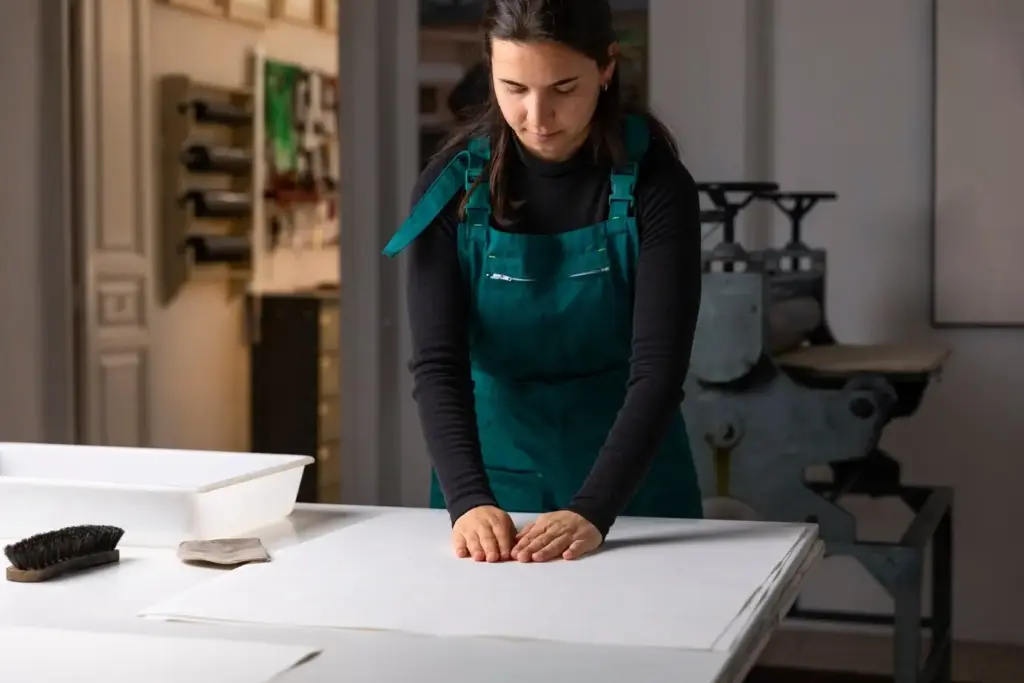
Clarity on paper is kindness in the field. We pair evocative perspectives with dimensioned details, tolerances, and mockup references. Specifications define performance, not just products, supporting substitution when supply chains wobble. Handoffs include responsibilities, contacts, and next steps so momentum remains unbroken across disciplines and phases.
Building, Caring, and Learning After Opening
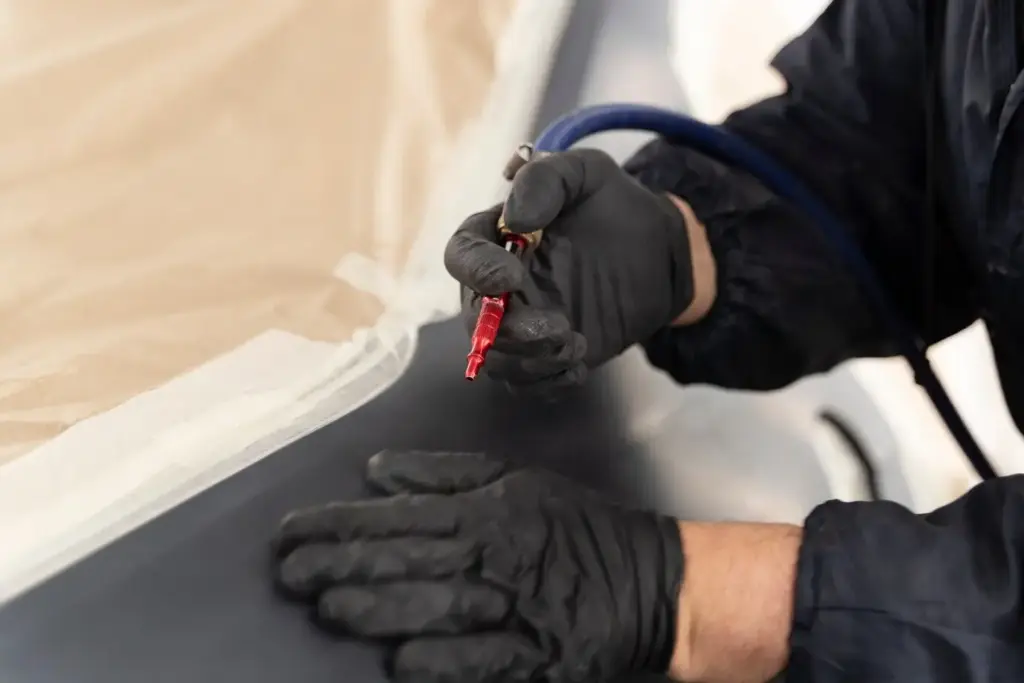
The work is not finished at ribbon-cutting. We plan site supervision rhythms, commissioning checklists, and maintenance playbooks that respect budgets and seasons. Clients learn what to watch, artisans teach what to tune, and designers note improvements. Feedback loops turn openings into starting lines for better future decisions.
Site Supervision as a Shared Practice
Presence matters. We schedule coordinated site walks where decisions are made at full scale, tools and samples in hand. Questions are logged, responsibilities assigned, and photos archived. This ritual reduces finger-pointing, keeps safety paramount, and lets field ingenuity elevate details without drifting from agreed intent or performance.
Commissioning and Maintenance Routines
We commission irrigation, lighting, structures, and soils with measurable checks, then hand a seasonal maintenance plan to the caretakers. Training sessions demystify pruning, cleaning, and tuning. Clients receive gentle reminders tied to weather. When care is understood, places age with dignity rather than sliding into preventable repairs.

All Rights Reserved.