Specifying with EPDs and LCAs
Use product-specific EPDs to compare embodied carbon across mixes, metals, and panels. Translate findings into simple rules your team remembers—like favoring local stone, high-recycled aluminum, or modified wood for shaded benches. Document assumptions in short memos so future projects inherit wisdom instead of relearning hard lessons under deadline pressure.
Testing, Prototyping, and Field Trials
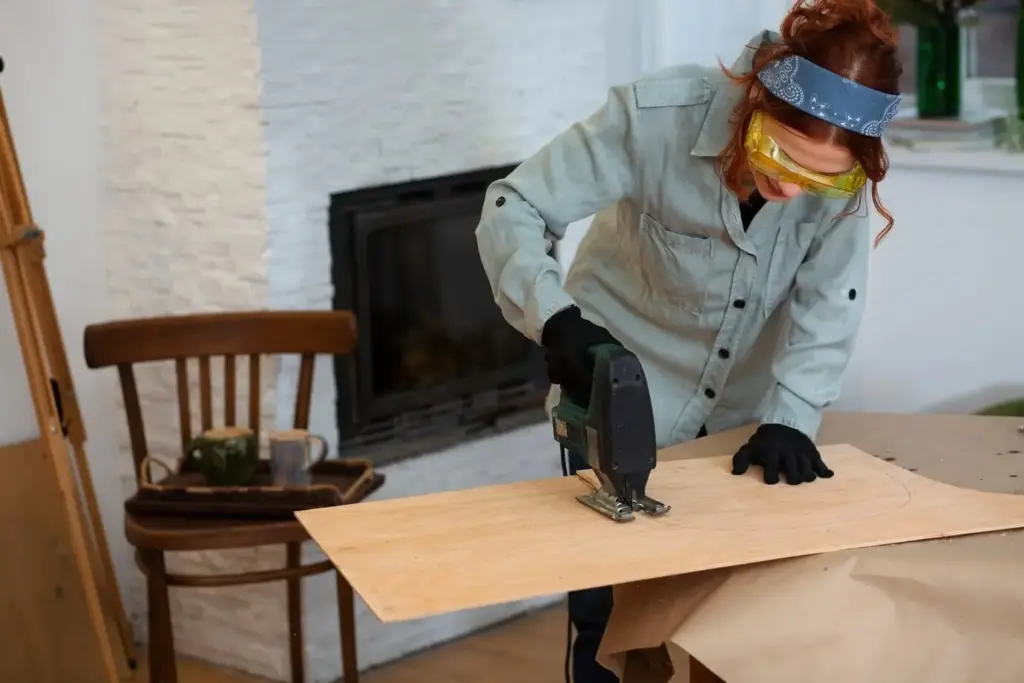
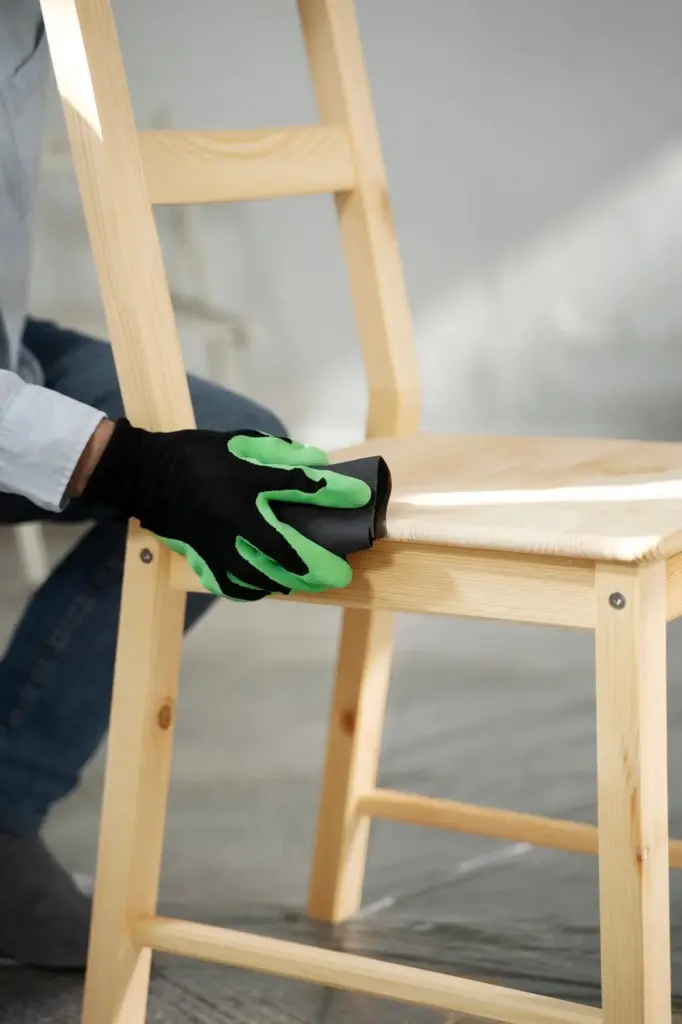
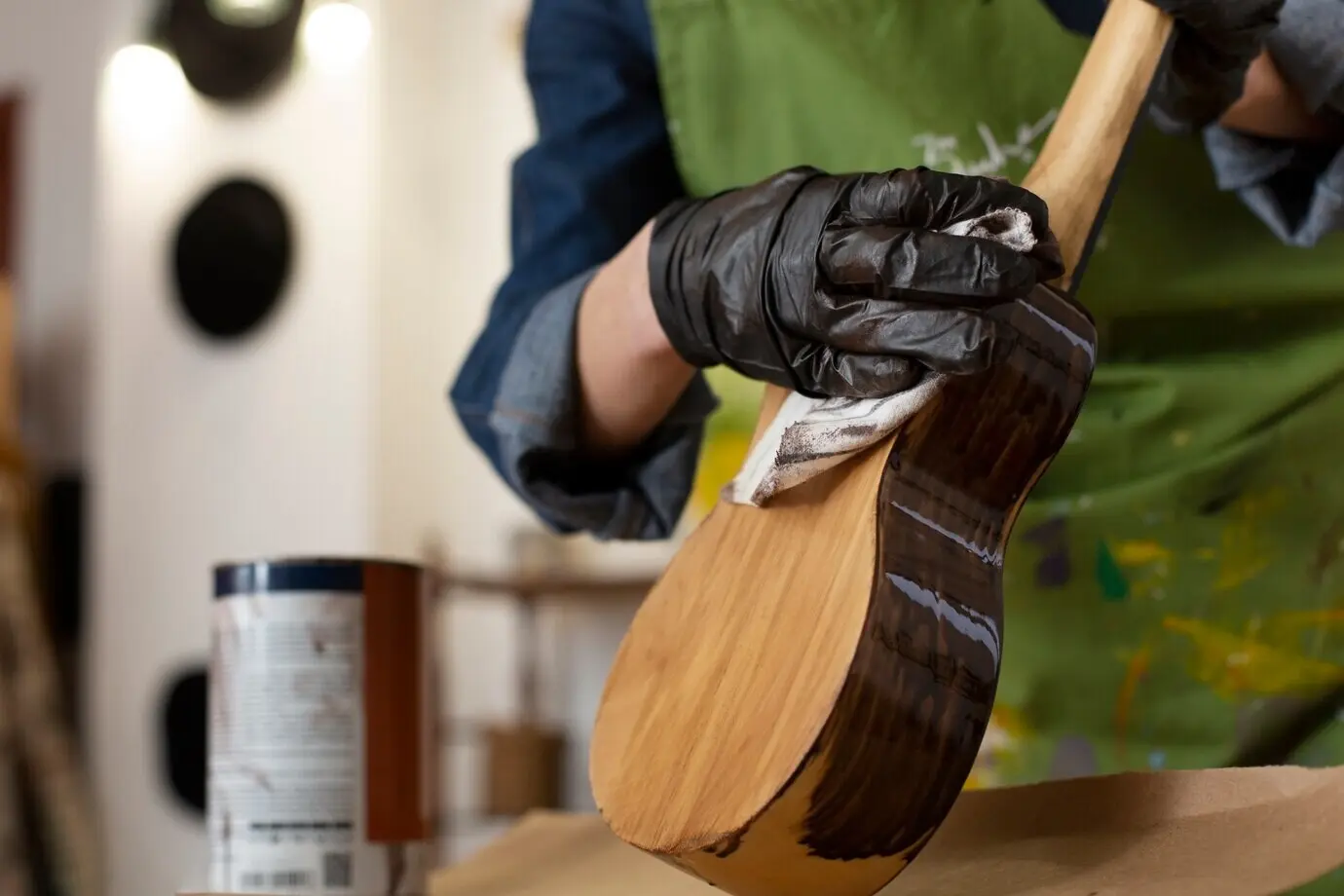
Build a sacrificial prototype and let weather and people teach you. Note pooling water, hot touch points, wobble, and stain behavior. A one-week field test can avert years of regret. Share results with fabricators, adjust details, and lock specifications with confidence rooted in honest observation rather than optimistic renderings.

Total Cost of Ownership, Clearly Explained
Compare options over ten or twenty years, including cleaning, resealing, and expected part swaps. Present owners with transparent schedules and costs. When an initially pricier alloy or finish eliminates mid-life replacements, sustainability aligns with budgets. Decisions get easier when comfort, resilience, and math all point in the same durable direction.